
You have been trained to believe that the only way to move a reluctant customer is to lower the price. That belief is making you poor. The behavioral scientists figured out decades ago that the environment in which a choice is made matters more than the choice itself and the entrepreneurs who internalized that lesson are compounding quietly while everyone else is in a race to the bottom on margins.
This is the nudge economy. It is not soft. It is not feel good. It is a precision instrument for printing revenue without touching your price sheet.
---
What Is Nudge Theory, and Why Should Entrepreneurs Care?
Nudge theory is a framework from behavioral economics that proposes redesigning the decision environment called "choice architecture" to predictably alter behavior without restricting options or deploying financial incentives. Formalized by University of Chicago economists Richard Thaler and Cass Sunstein in their 2008 book. Nudge: Improving Decisions About Health, Wealth, and Happiness, the concept has since been adopted by more than 400 government level behavioral insight units across the UK, US, Germany, Japan, and institutions including the World Bank, UN, and European Commission.That's not a trend. That's institutional validation at scale.
Thaler's own definition is surgical: a nudge is "any small feature of the environment that attracts attention and alters behavior without requiring anyone to do anything and without economic incentives". The key constraint is that a nudge must be easy and cheap to avoid, it cannot be a trap. Banning junk food is not a nudge. Putting the fruit at eye level is.
For entrepreneurs, this distinction is the whole ballgame. You are not manipulating customers. You are architecting the path. The customer still chooses. You just decided which option greets them first.

---
What Is the Real Financial Cost of Ignoring Choice Architecture?
Ignoring choice architecture doesn't just mean leaving conversions on the table, it means actively subsidizing your competitor's growth every time you discount instead of redesign. When your default move is a price cut, you are training your customers to wait for sales, compressing your margin permanently, and building zero durable advantage. Nudges, by contrast, are structural: once embedded in your checkout flow, onboarding sequence, or pricing page, they work continuously at near-zero marginal cost.
The contrast is stark. A 10% discount on a $100 product costs you $10 per unit, every time, forever. A single default-option change on a subscription signup page costs you a few hours of A/B testing and the effect can persist for years. Research confirms that people may stick with a default choice for many years after it's set.
That is not a conversion tactic. That is an asset on your balance sheet.
Governments recognized this decades ago and began deploying randomized controlled trials through behavioral insight teams the same experimental rigor used to validate drugs to test nudge interventions at scale. The fact that nation states are using RCTs to validate these mechanisms should tell you everything about the confidence level behind the evidence.
---
How Does Loss Aversion Work as a Revenue Lever?
Loss aversion the proven tendency for people to weight potential losses more heavily than equivalent gains is one of the most reliable conversion mechanisms in behavioral economics, and it costs nothing to deploy. Developed by Daniel Kahneman and Amos Tversky in 1979 as part of prospect theory, the framework established that people do not make decisions based on final outcomes, but on the perceived value of gains and losses relative to a reference point.
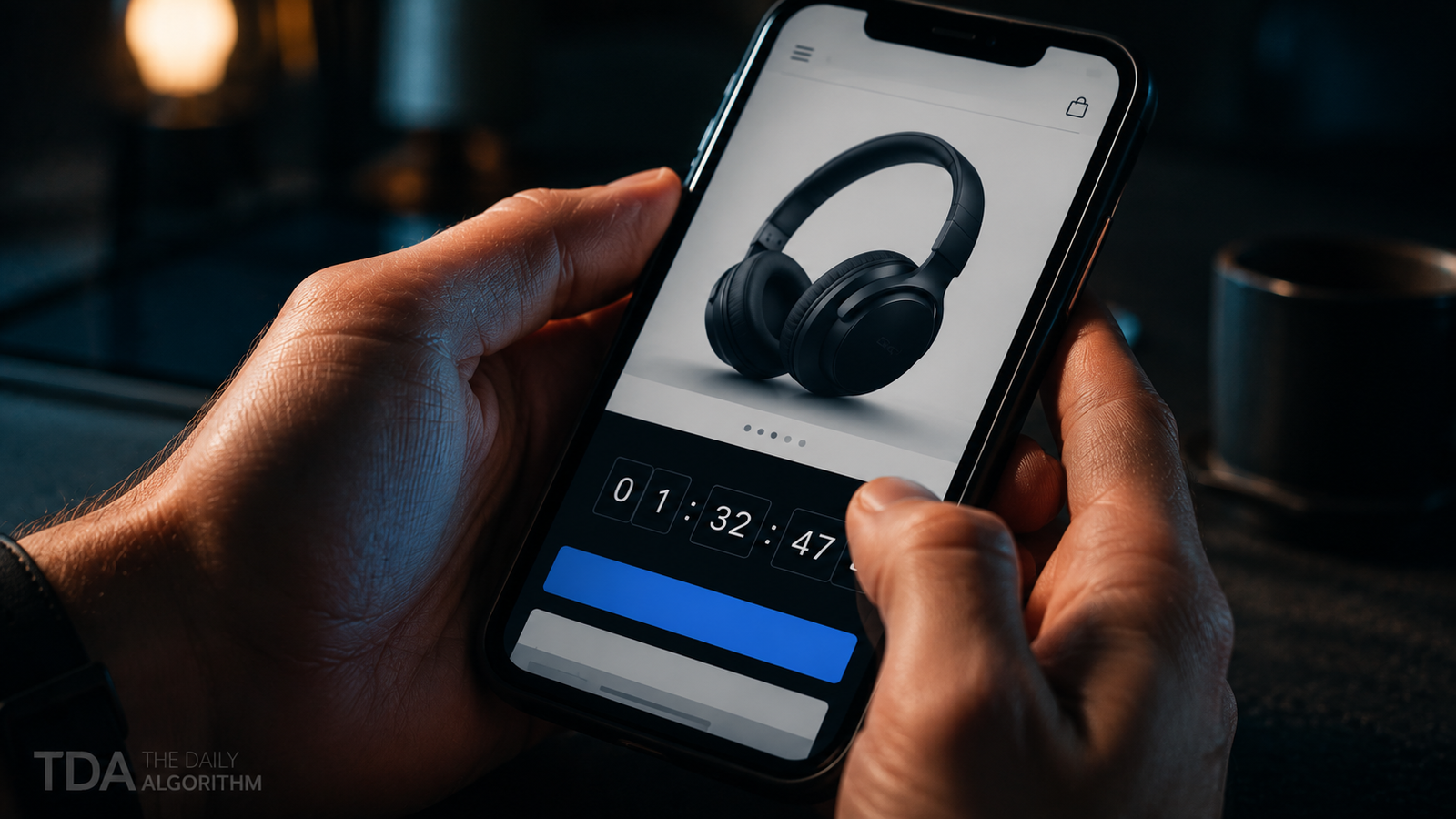
Translation for entrepreneurs: "You'll lose access to X" converts harder than "You'll gain access to X." Frame your offer around what the customer stands to forfeit the early bird window closing, the tier being locked, the current rate expiring and you are working with the grain of human cognition, not against it.
The same research flags an important warning. A perceived "free" or discount offer can function as a distracting nudge encouraging people to ignore more important considerations. When you lead with a discount, you are not just cutting price; you are signaling to the customer's brain that price is the most important variable. You have set the frame. Now you own it, and it's a bad one.
Loss aversion flips that frame. The anchoring variable becomes ‘what they lose by not acting’ which is a far more motivating cognitive position than what they save by acting now.
---
What Makes Default Options the Single Highest-Leverage Nudge?
Default options are the most frequently cited and empirically validated nudge mechanism because they exploit a fundamental human tendency: inaction. When no active choice is made, the default takes effect and the research shows people will remain locked into that default for years. The most famous documented example: setting retirement savings plan enrollment as the default dramatically increases employee participation rates.
For digital entrepreneurs, the implications are immediate and concrete:
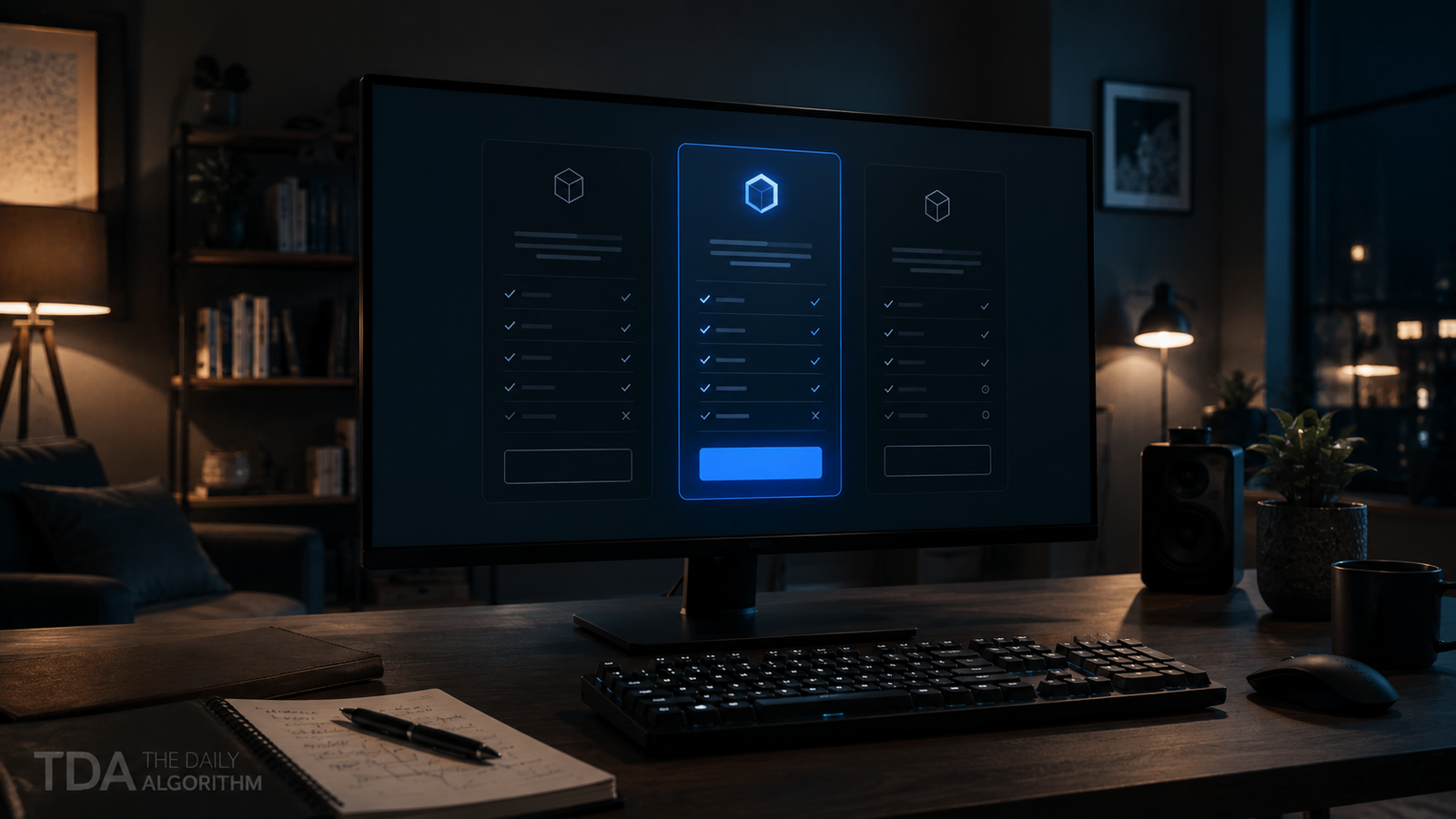
- SaaS onboarding: Default the higher tier plan in the pricing toggle. The customer can downgrade; most won't.
- Email subscriptions: Default opt-in to your highest value list segment. Friction sits on the exit, not the entry.
- Annual vs. monthly billing: Default annual. The customer who wants monthly will find the option most won't look.
- Upsells at checkout: Pre-select the add-on. Conversion rate increases; customer experience doesn't degrade if the option is easy to remove.
None of these tactics require discounting. None require a new product. They require changing what the environment presents as the path of least resistance which is the entire thesis of choice architecture.
The behavioral mechanism at work is not trickery. It is alignment with how human decision-making actually operates. As Thaler and Sunstein define it, a nudge must be easy and cheap to avoid [PRIMARY: BehavioralEconomics.com, 2024]. The customer retains full agency. You are simply the one who decided what "no action" looks like.
---
Is Nudging Ethical, or Are You Just Manipulating People?
Nudging is ethical by design constraint, the defining rule of a legitimate nudge is that opting out must be easy and cheap. The moment an intervention restricts options or imposes costs on the customer, it ceases to be a nudge and becomes coercion. The line is clear, and staying on the right side of it is not just a moral consideration it is a brand risk calculation.
That said, the research is equally clear that exploitation of "mindlessness" burying opt-outs in terms and conditions, making cancellations labyrinthine is widespread among corporations. This is not nudging. This is dark pattern design. And while it may generate short-term retention, it destroys the trust infrastructure that makes a brand compound over time.
The smart entrepreneur's approach: use nudges to guide customers toward choices that are genuinely good for them and for your revenue. Those interests are more aligned than most founders assume. A customer who defaults into your annual plan and stays is more valuable than one who was trapped into a subscription they resent. Nudges that serve the customer build retention; dark patterns build churn and lawsuits.
The governments running behavioral insight units know this. Their RCT-tested nudge programs are subject to public accountability in ways your checkout flow is not and they still choose the ethical constraint. The reputational calculus for a private business is even more unforgiving.
---
How Do You Build a Nudge System Into Your Business Starting Today?
The fastest path to operationalizing nudge theory is to audit your existing decision points checkout, onboarding, pricing pages, email sequences and identify every place where the default outcome is neutral or negative for your revenue. Then redesign those defaults so that inaction favors the higher-value outcome, without making the alternative inaccessible.
Start with three moves:
1. Map your choice architecture. Every click, every form, every toggle is a decision environment. Right now, you almost certainly have defaults that are set to whatever was easiest to build not whatever is most strategically aligned. That is a revenue leak.
2. Apply loss aversion framing to your highest-friction conversion points. Wherever customers are stalling the upgrade page, the cart abandonment moment, the renewal notice reframe the copy around what they forfeit by not acting. This is a messaging change, not a product change.
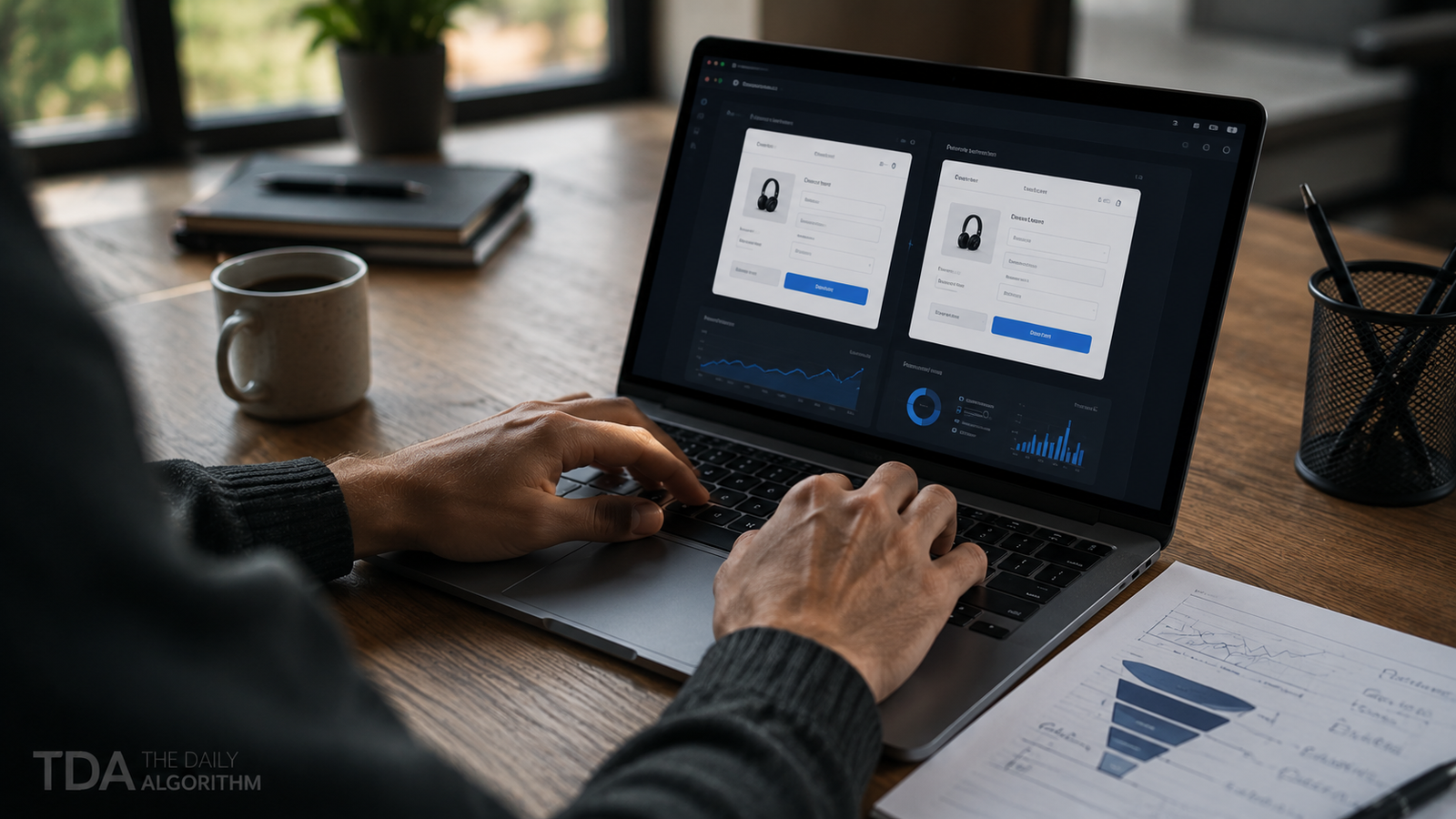
3. Run structured A/B tests on default states. Behavioral insight teams at the national level use randomized controlled trials. You have the same infrastructure available through any standard experimentation platform. The methodology is not proprietary; the execution is what separates operators from observers.
None of this requires a behavioral economist on your team. The research base is public, the mechanisms are documented, and the implementation is a function of product and marketing discipline not headcount.
---
The Bottom Line
The nudge economy is not a trend. It is a decades-validated science that nation-states have institutionalized, Nobel Prize-winning economists built careers on, and most small to mid size entrepreneurs have never systematically applied. That asymmetry is your opportunity.
The businesses that understand choice architecture will continue to convert at higher rates, retain at higher rates and defend their margins while their competitors run another 20%-off promo and wonder why their LTV is shrinking. The playbook is not secret. The discipline to execute it consistently is the moat.
You already have a checkout flow. You already have defaults. The only question is whether you set them intentionally or accidentally.
---
If every business that claims to be "customer first" already has the tools to nudge ethically, why are dark patterns still the dominant design choice on the internet?
---



Loading comments...